When people evaluate a heavy duty trailer, they often focus first on deck size, payload, or frame strength. Those are important, but in our experience, axle and suspension design is just as critical. These two systems directly affect how the trailer carries weight, handles rough roads, protects cargo, and performs over time. A trailer may look strong on paper, but if the axle and suspension setup does not match the application, problems can appear quickly in the form of poor stability, faster tire wear, uneven loading, and rising maintenance costs.
That is why we always encourage buyers and operators to look beyond basic capacity figures. Axles and suspension are not just technical details hidden under the trailer. They are a core part of safety, road handling, structural durability, and transport efficiency. Whether the trailer is used for machinery, containers, industrial cargo, or bulk materials, understanding these systems helps make better decisions both at the purchasing stage and during long-term operation.
Why Axles and Suspension Matter on Heavy Duty Trailers
A heavy duty trailer is expected to carry more than just weight. It must carry weight in a controlled, stable, and repeatable way. This is where axle and suspension systems become essential. The axles support and distribute the load, while the suspension helps absorb shock, maintain tire contact, and protect both the trailer and cargo from road impact.
Without the right axle and suspension design, even a well-built trailer can struggle in real operations. It may bounce excessively on rough roads, place too much force on certain points of the frame, wear tires unevenly, or create unstable behavior during braking and turning. Over time, those issues can reduce service life and increase operating cost.
Load Distribution Starts Below the Deck
Many transport problems begin with poor weight distribution. If axle placement and axle rating are not suited to the load, the trailer may experience imbalance, overloaded sections, or poor handling. This is especially important for machinery, steel products, containers, and concentrated industrial cargo.
Suspension Affects More Than Ride Comfort
Some people think suspension is mainly about smoother travel, but in heavy duty applications, it does much more than that. It affects load control, tire protection, braking response, and structural stress. A good suspension system helps the trailer stay stable under real working conditions, not just on ideal roads.
Understanding Trailer Axles
An axle is more than a simple rotating support component. In a heavy duty trailer, the axle system carries major responsibility for supporting payload, maintaining alignment, and helping the trailer track correctly under load. The right axle setup should match the trailer type, load profile, road conditions, and legal transport requirements.
What an Axle Does
The axle supports the trailer’s weight and transfers that load to the wheels. At the same time, it plays a key role in keeping the trailer balanced and tracking properly. In heavy duty applications, axle strength and rating must be chosen carefully, because overload or poor matching can shorten service life and reduce safety.
Why Axle Rating Matters
Each axle is designed for a certain load level. When buyers evaluate heavy duty trailers, they should not look only at total trailer capacity. They should also understand how the weight is shared across the axle group. If the overall trailer seems large enough but the axle system is under-specified, the result can be excessive wear, overheating, alignment problems, and reduced durability.
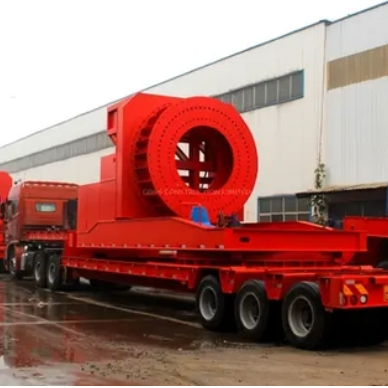
Common Axle Configurations for Heavy Duty Trailers
Different trailer applications require different axle arrangements. The correct choice depends on payload, road conditions, turning needs, and regional transport rules.
Single Axle
A single axle setup is generally more common on lighter trailers, but it may still appear in some specialized or limited-duty heavy trailer applications. It offers simpler structure and easier maneuverability, but load capacity is more limited.
Tandem Axle
A tandem axle configuration uses two axles and is one of the most common arrangements in trailer design. It improves load distribution compared with a single axle and offers better stability for medium to heavy applications.
Tri-Axle
A tri-axle setup uses three axles and is often seen in heavier-duty trailers where greater payload support is needed. It helps distribute weight more evenly and can improve balance in demanding transport work.
Multi-Axle and Specialized Arrangements
For oversized cargo, very high loads, or specialized industrial transport, trailers may use more complex multi-axle systems. These configurations are designed for special hauling tasks where normal axle arrangements are not enough.
How Axle Configuration Affects Performance
The number and arrangement of axles influence much more than carrying capacity. In our view, they directly shape how the trailer behaves in daily work.
Stability Under Load
More axles generally allow better weight distribution, which can improve stability. This is valuable when carrying tall equipment, concentrated machinery loads, or heavy industrial cargo.
Tire Wear and Maintenance
A correct axle configuration helps prevent uneven tire wear and reduces stress on running gear. Poorly matched axle layouts can increase maintenance frequency even if the trailer initially appears to function normally.
Compliance and Road Practicality
In many cases, axle arrangement also affects how the trailer fits transport regulations and operating conditions. The right setup should support both payload performance and route practicality.
Suspension Basics for Heavy Duty Trailers
If axles support the weight, suspension helps control how that weight moves. A heavy duty trailer suspension system absorbs shock from the road and helps keep the load stable. It reduces the direct transfer of impact into the trailer frame and cargo, which is especially important in harsh environments.
Why Suspension Is So Important
Without effective suspension, the trailer is exposed to stronger vibration, more bouncing, and more structural strain. Cargo may shift more easily, tires may lose even contact with the road, and the frame may absorb more repeated stress than necessary.
Suspension Is a Working System
We always see suspension as a working partner to the axles. It is not enough for the axle to hold the weight. The suspension must also help manage how that weight responds during turning, braking, bumps, uneven terrain, and long-distance travel.
Main Suspension Types Used in Heavy Duty Trailers
Different suspension systems are developed for different priorities. Some focus on rugged durability, while others emphasize smoother ride quality or better cargo protection.
Suspension Type |
Main Characteristics |
Typical Advantage |
Mechanical Suspension |
Simpler, rugged structure with springs and linkages |
Strong durability in demanding environments |
Air Suspension |
Uses air bags to absorb shock and improve ride quality |
Better ride stability and cargo protection |
Bogie Suspension |
Common in certain heavy-load and off-road applications |
Strong load support on rough terrain |
Specialized Heavy Haul Suspension |
Designed for extreme or project cargo transport |
Better adaptation to unique heavy-duty requirements |
This comparison shows that suspension choice depends on operating priorities rather than on one universal standard.
Mechanical Suspension
Mechanical suspension is widely used because of its toughness and relatively straightforward design. It can perform well in harsh environments where ruggedness matters more than refined ride quality. In many heavy-duty commercial applications, this remains a practical choice.
Air Suspension
Air suspension offers better ride quality and may reduce shock transfer to both cargo and trailer structure. It is often preferred when cargo protection, smoother operation, or improved road handling is important. In some operations, air suspension can also help reduce vibration-related wear.
Bogie and Specialized Systems
For off-road or highly demanding transport conditions, bogie or other specialized suspension systems may be used. These are typically selected for applications where standard road-oriented designs are not enough.
Maintenance Tips for Axles and Suspension
Even the best system needs regular care. In our experience, axle and suspension issues often begin with small signs that are easy to miss.
Check Alignment and Wear Regularly
Axles should be inspected for alignment, bearing condition, seal leakage, and unusual heat at hubs. Misalignment can quickly affect tire life and towing performance.
Inspect Suspension Components
Bushings, springs, air bags, hangers, equalizers, brackets, and mounting points should all be checked for looseness, cracking, or deformation. Suspension wear often develops gradually.
Watch for Load-Related Damage
Heavy duty trailers may experience concentrated impact or overload stress, especially if the cargo varies from trip to trip. Regular inspection helps catch early damage before it grows into a more serious repair issue.
Conclusion
Axles and suspension are among the most important systems on a heavy duty trailer. They determine how the trailer supports weight, responds to road conditions, protects cargo, and performs over time. The right configuration improves stability, reduces wear, and supports safer, more efficient transport in demanding applications.
When selecting a heavy duty trailer, it is important to look beyond surface specifications and understand how axle rating, axle layout, and suspension type work together. A trailer that fits the real load and operating environment will usually deliver better long-term value than one chosen only by price or appearance. If you are evaluating heavy duty trailer options and want to better understand which axle and suspension setup suits your transport needs, we recommend learning more from GDSS TRAILER for practical guidance and suitable solutions.
FAQ
Q: What does the axle do on a heavy duty trailer?
A: The axle supports trailer weight, helps distribute the load to the wheels, and plays a key role in stability, alignment, and safe running performance.
Q: Why is suspension important for heavy duty trailers?
A: Suspension is important because it absorbs road shock, improves load stability, protects the trailer structure, supports tire contact, and helps maintain safer handling under heavy loads.
Q: What is the difference between mechanical suspension and air suspension on a heavy duty trailer?
A: Mechanical suspension is usually valued for rugged durability and simpler structure, while air suspension is often chosen for smoother ride quality and better cargo protection.
Q: How do I choose the right axle and suspension setup for my heavy duty trailer?
A: The right setup depends on payload, cargo type, load distribution, road conditions, frequency of use, and whether the operation prioritizes rugged durability or smoother transport performance.


