Modern freight faces a core operational conflict every single day. Fleet managers constantly need the fast loading speed of an open flatbed. However, strict cargo security demands the solid protection of an enclosed box trailer. This friction slows down dock operations and hurts overall profit margins. You need a reliable hybrid design to solve this costly challenge. Daily logistics operations involve highly diverse freight types like standard pallets, loose bulk goods, and oversized machinery. Investing in a strategically designed drop side semi trailer serves as a vital solution for modern fleets. It effortlessly bridges the gap between handling speed and weather security. Our goal is clear and actionable. We aim to provide fleet managers and procurement officers an objective evaluation framework. You will learn the precise mechanical benefits and operational advantages. Read on to determine if this specialized trailer configuration truly fits your specific fleet requirements.
Key Takeaways
Efficiency: Enables simultaneous multi-point forklift access, cutting loading/unloading turnaround times by up to 30% compared to standard rear-loading trailers.
Protection: Combines rigid drop sides for load retention with tensioned sliding curtains for reliable weather protected transport.
Versatility: Functions effectively for both standard palletized goods and non-standard bulk cargo.
The Logistics Dilemma: Balancing Turnaround Speed with Cargo Integrity
Traditional freight assets force fleet operators into a frustrating compromise. Standard enclosed box trailers create severe loading bottlenecks at distribution centers. They strictly depend on physical loading docks for rear access. Drivers often waste countless hours waiting for bay availability. If you load an oversized crate first, it blocks access to everything else behind it. This rigid sequence kills routing flexibility.
Conversely, open flatbeds offer incredibly fast, multi-angle loading. Forklifts can approach the flatbed from any direction. However, flatbeds leave valuable cargo entirely vulnerable to harsh weather. To protect the freight, drivers must manually apply heavy, awkward tarps. Manual tarping creates massive safety hazards. Drivers face high risks of slipping, falling, and straining muscles. Tarping also slows down turnaround times considerably.
A hybrid solution bridges this operational gap seamlessly. It successfully integrates rigid lower containment and flexible upper access. You gain the protective shell of a dry van alongside the total accessibility of a flatbed. Operators no longer have to choose between speed and security.
Successful adoption requires measuring specific baseline metrics. You must define clear success criteria before rolling out new equipment. We recommend tracking these performance indicators for a successful implementation:
Reduced Wait Times: Measure the decrease in average driver dwell times at shipping facilities.
Damage Claim Elimination: Track the reduction of weather-related cargo damage claims.
Safety Improvements: Monitor the decrease in driver injury reports related to tarping falls and physical strain.
Load Versatility: Calculate the percentage increase in backhaul load acceptance due to flexible loading capabilities.
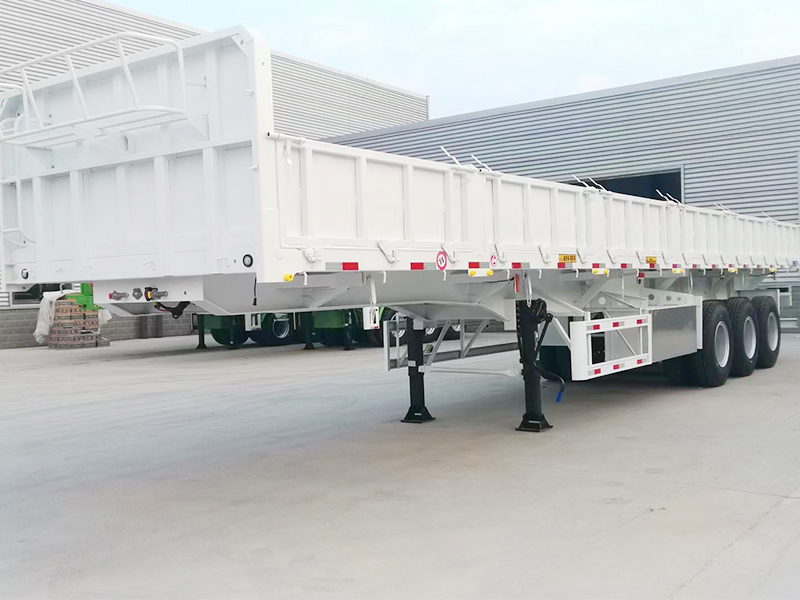
Engineering Anatomy of a Drop Side Cargo Trailer
Every high-performance drop side cargo trailer relies on precise structural engineering. You must understand its mechanical anatomy to ensure maximum fleet uptime. Each component plays a specific role in securing and protecting your freight.
Rigid Drop-Side Gates
Material selection for side gates directly impacts daily fleet operations. You generally choose between aluminum and high-tensile steel. Aluminum gates reduce overall tare weight significantly. They allow you to maximize your legal payload capacity. Aluminum also resists corrosion naturally. High-tensile steel handles heavy bulk impact much better. Steel gates resist bowing when hauling loose, shifting materials like scrap or aggregates.
These rigid sides provide crucial secondary load retention. They actively prevent outward freight shift during transit. If a pallet breaks or load straps loosen, the solid gates keep the cargo from spilling onto the highway. This feature dramatically increases road safety.
The Sliding Curtain and Roof System
The sliding mechanism drives the actual efficiency of the trailer. Heavy-duty upper rails guide specialized nylon rollers continuously. These nylon rollers operate on stainless steel bearings to ensure smooth gliding. Bottom tensioners keep the fabric tight against the frame. This tension prevents wind-flap damage at high speeds.
Fleet buyers must also evaluate roof options carefully. You must match the roof type to your primary loading methods.
Roof Type | Primary Advantage | Best Suited For | Potential Drawback |
Fixed Solid Roof | Maximum structural rigidity and leak prevention. | Standard palletized freight and uniform boxes. | Blocks overhead crane access entirely. |
Sliding / Roll-back Roof | Allows full top-down loading access. | Heavy machinery, steel coils, and oversized timber. | Requires careful track maintenance to prevent leaks. |
Implementation Reality: Mechanical wear dictates your preventative maintenance schedule. Track debris and roller fatigue remain the most common failure points. Dirt buildup in the upper rails destroys nylon rollers quickly.
Best Practice: We strongly advise regular track cleaning. Drivers should use compressed air to clear the roof rails weekly. This simple step prevents expensive roller jamming and torn curtains.
Maximizing Cargo Handling Efficiency in High-Volume Operations
Side-access superiority transforms standard warehouse loading entirely. A modern side curtain trailer allows multiple forklifts to operate simultaneously. You no longer load sequentially from back to front. Three forklifts can easily load a standard 13.6-meter bed at once. One forklift handles the front section. Another loads the middle. A third forklift packs the rear. This parallel process cuts turnaround times drastically.
You also achieve true operational independence. Your fleet operations no longer rely on standard loading bays. Drivers can park in open dirt yards or constrained client sites. Forklifts can approach the trailer from any ground-level angle. This flexibility proves invaluable in urban logistics. It also shines on construction sites lacking proper dock infrastructure.
Eliminating manual tarping delivers massive labor return on investment. Manual tarping physically strains drivers. It significantly increases your injury liability. Safety managers consistently report fewer workers' compensation claims when fleets switch to curtain systems. Drivers simply pull the curtain back, lock the tensioners, and drive. They spend significantly less time on site. This efficiency translates directly into more dispatched miles per day.
Common Mistake: Fleet managers sometimes fail to train drivers on proper curtain tensioning. Under-tensioned curtains flap violently on the highway. Over-tensioned curtains strain the rollers and rip the fabric. Proper tensioning training ensures the longevity of your equipment.
Delivering Reliable Weather Protected Transport
Cargo integrity demands rigorous curtain material standards. You cannot settle for thin, standard vinyl. The industry strictly requires 900g/m² high-density PVC material for heavy-duty applications. This thick material withstands severe weather and abrasive wind. UV resistance coatings prevent the fabric from degrading under direct sunlight. Over time, cheap materials become brittle and crack. Premium curtains maintain their flexibility even in freezing temperatures.
Internal tear-stop mesh grids act like ripstop nylon. They prevent small punctures from spreading into massive tears. A forklift might accidentally nick the fabric. The mesh grid contains the damage to a small square. High-quality materials ensure reliable weather protected transport across all seasons.
Sealing mechanisms actively block water at highway speeds. Overlapping rubber pelmets shield the upper roller tracks completely. They direct rainwater away from the sliding mechanism. Rear door rubber seals prevent rain ingress caused by vacuum drafts. Front bulkhead designs deflect direct driving rain effectively. These integrated seals keep standard cargo perfectly dry.
However, you must maintain realistic performance expectations regarding weatherproofing. Curtain sides are highly weather-resistant but never hermetically sealed.
Extreme temperature-sensitive goods may spoil.
Highly hygroscopic materials might absorb ambient humidity.
Unprotected dry cement powder or premium paper rolls face risks in extreme storms.
Such highly specialized freight still requires fully enclosed or actively refrigerated units. For 95% of standard logistics, however, a properly maintained curtain provides more than adequate protection.
Procurement Framework: Evaluating a Logistics Semi Trailer
Choosing the right logistics semi trailer requires matching technical specs to your freight profiles. You must evaluate the chassis, suspension, load certification, and hardware quality thoroughly.
Payload capacity dictates your chassis and axle selection. You need high-yield strength steel for the main frame to prevent sagging under heavy loads. Volumetric pallet loads perform beautifully on standard mechanical suspensions. However, heavy bulk materials often demand heavy-duty air suspensions. Air rides protect fragile cargo from road vibration damage. They also allow drivers to adjust dock height easily.
Load securing compliance remains strictly non-negotiable for modern fleets. You must demand industry-standard certifications from your manufacturer. The EN 12642 Code XL standard represents the gold standard in Europe and sets a high global benchmark. This specific certification proves the trailer body absorbs specific cargo forces. It guarantees the curtains, gates, and roof can retain shifting loads safely without additional internal strapping for certain freight types.
Hardware quality determines your long-term maintenance frequency. Inferior hardware corrodes quickly and fails prematurely.
Hardware Quality Evaluation Chart
Component | Standard Quality | Premium Quality (Recommended) | Impact on Operations |
Tensioning Buckles | Plastic or Galvanized Steel | Marine-Grade Stainless Steel | Stainless prevents rust jamming and ensures smooth driver operation in winter. |
Drop-Side Hinges | Welded fixed hinges | Bolt-on, replaceable hinges | Replaceable hinges allow quick repairs if a forklift damages a gate. |
Lashing Rings | Surface-mounted rings | Recessed 2-ton capacity rings | Recessed rings allow pallets to sit perfectly flat on the 28mm plywood deck. |
Always request detailed hardware specifications during the vendor shortlisting process. Upgrading to stainless steel hardware upfront prevents endless headaches down the road. You secure a reliable asset that performs flawlessly in diverse environments.
Conclusion
The drop side curtain semi trailer stands as a highly specialized and powerful tool. It maximizes fleet utilization across incredibly varied freight profiles. You gain the loading flexibility of a flatbed and the security of a dry van. This design actively eliminates dock bottlenecks, protects cargo, and keeps drivers safe from tarping injuries. Your operations become faster, safer, and much more adaptable to client needs.
To move forward effectively, we recommend three distinct next steps. First, conduct a thorough fleet audit. Determine if your current route profiles and freight mix justify the operational upgrade. Second, calculate your current driver wait times at loading docks to quantify potential savings. Finally, always request structural load certifications, like EN 12642 Code XL, during your vendor shortlisting process. Proper evaluation ensures you deploy the right asset for maximum operational efficiency.
FAQ
Q: What is the difference between a standard side curtain trailer and a drop side curtain trailer?
A: A standard side curtain trailer relies entirely on heavy-duty straps and the curtain fabric for load retention. A drop side curtain trailer features rigid lower aluminum or steel gates. These rigid gates physically contain unstable, shifting, or bulk items much more securely than fabric alone.
Q: Does the drop side mechanism significantly reduce overall payload capacity?
A: Yes, it slightly reduces capacity. The addition of lower rigid gates and heavy-duty hinges increases the vehicle's tare weight. Using aluminum gates minimizes this weight penalty. However, the massive increase in loading speed often offsets the minor payload reduction.
Q: How resilient is the curtain material against vandalism or extreme weather?
A: Modern curtains are exceptionally resilient. They use thick 900g/m² PVC integrated with an internal tear-stop mesh grid. This grid prevents intentional slashes or accidental punctures from spreading. If damage occurs, mechanics can easily repair the fabric using simple hot-air welding patches.


