Liquid asphalt solidifies rapidly when temperatures drop during transit. This sudden thermal loss destroys material viscosity. It ruins expensive transfer pumps and triggers massive project delays. Standard insulated tanks often fail during long-haul deliveries. They struggle during unexpected site delays. They only slow down heat loss rather than actively generating it. Active heating systems provide the only reliable safeguard against catastrophic material solidification.
This guide explores how to evaluate and select the right thermal transport equipment. We will help procurement and fleet managers build an objective evaluation framework. You will learn how to optimize your heavy fleet investments. You can ensure your construction materials arrive perfectly heated and ready for immediate field deployment.
Key Takeaways
Active temperature control prevents bitumen degradation and ensures optimal viscosity for discharge, directly impacting paving quality.
Selecting between thermal oil heaters and direct burner systems depends on transit durations, bitumen type (e.g., standard vs. polymer-modified), and operational budgets.
Evaluating a trailer requires looking beyond capacity—insulation density, heating component reliability (e.g., burner brands), and safety compliance are primary cost drivers.
Proper operator training on pre-heating and valve maintenance is required to mitigate fire risks and equipment clogging.
Why Temperature Control Defines the Viability of a Road Construction Tanker
Liquid bitumen demands strict thermal management at all times. Operators usually maintain this material strictly between 130°C and 160°C. Temperature drops immediately increase the underlying material viscosity. This thickness causes extremely slow unloading times at the job site. Terminals frequently reject cold loads upon arrival. These painful rejections damage your business reputation and waste valuable raw materials. We see this costly problem routinely in colder operational climates.
Polymer-Modified Bitumen (PMB) requires even tighter temperature controls. PMB blends synthetic polymers directly into the base asphalt. This engineered mix improves pavement flexibility drastically. It vastly increases rutting resistance under heavy commercial traffic. However, PMB separates rapidly during unexpected temperature fluctuations. You cannot allow PMB to cool inconsistently during transport. A dependable road construction tanker must stabilize these sensitive blends perfectly from plant to site.
Active heating guarantees an immediate return on your initial investment. Emergency tank cleaning costs thousands of dollars per incident. Hardened asphalt heavily damages internal tank linings during manual removal. A single rejected delivery halts the entire paving crew for hours. Paying for a built-in heating system directly eliminates these financial disasters. You protect your valuable cargo completely. You also secure your delivery schedules against unpredictable weather delays.
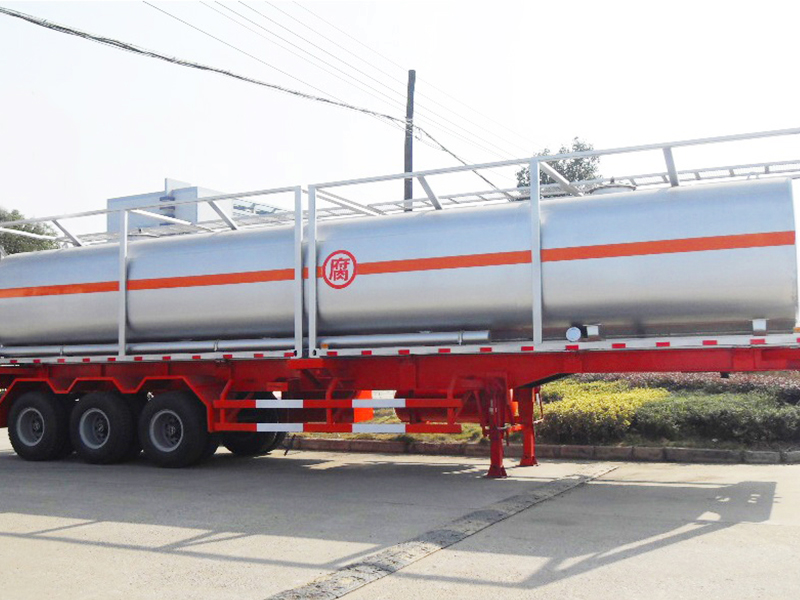
Evaluating Heating Systems: Thermal Oil vs. Direct Burner
Fleet managers must choose the correct heating mechanism carefully. Two main thermal systems currently dominate the transport market. You can select direct burner heating or thermal oil heating. Both engineering approaches offer unique operational advantages.
Direct Burner Heating typically uses standard diesel or gas. The system operates through a very straightforward mechanical mechanism. The primary burner fires a flame directly into U-shaped flues. These heavy metal tubes run deep through the tank interior. Heat radiates directly into the surrounding liquid asphalt. This method provides rapid temperature elevation. Buyers generally appreciate the significantly lower initial acquisition cost. However, direct firing carries major material risks. You face a high risk of localized overheating near the flues. Industry experts call this negative phenomenon coking. Coking degrades the bitumen quality immediately. The heat distribution remains highly uneven across the total tank volume.
Thermal Oil Heating Systems operate quite differently. A dedicated burner heats a specialized heat transfer fluid first. A robust pump circulates this hot oil continuously. It travels through a closed-loop coil system. These coils sit strategically inside the main cargo area. You achieve gentle, highly uniform heat transfer. This method completely eliminates dangerous localized coking risks. We highly recommend this setup for sensitive materials. The primary drawback involves the higher upfront equipment cost. You must also maintain the thermal oil pump and fluid lines regularly.
Let us map these options in a simple recommendation matrix. This tool helps you select the right bitumen tanker with heating system based on your specific fleet needs.
Heating System Type | Mechanism | Key Advantages | Primary Risks / Cons | Best Fleet Use Case |
Direct Burner (Diesel/Gas) | Flame fires directly into internal U-shaped metal flues. | Rapid temperature elevation; lower initial purchase cost. | Risk of localized coking; uneven heat distribution. | Standard bitumen transport over short to medium distances. |
Thermal Oil System | Burner heats thermal fluid circulated through closed-loop coils. | Gentle, uniform heat transfer; eliminates localized coking entirely. | Higher upfront cost; requires regular fluid pump maintenance. | Long-haul transport and sensitive Polymer-Modified Bitumen (PMB). |
Core Specifications to Assess in an Asphalt Tanker Trailer
Insulation integrity directly dictates your daily heating efficiency. High-quality insulation traps internal heat effectively. It reduces the need for continuous active heating cycles. You save significant amounts of expensive burner fuel over time. Industry standards require 80mm to 150mm of insulation thickness. Manufacturers typically use high-density Rockwool or rigid polyurethane foam. Rockwool resists extreme temperatures exceptionally well. We recommend specifying a density of at least 120 kg/m³. Polyurethane offers excellent structural rigidity. We advise checking the outer metal cladding seals meticulously. Water intrusion quickly ruins overall insulation performance.
Next, evaluate the main tank shell material. Carbon steel serves as the reliable industry standard. It provides exceptional strength and remains highly cost-effective for large fleets. We often see Q345R carbon steel used safely for pressure vessels. Stainless steel offers an alternative premium upgrade. It resists severe chemical corrosion effectively. It also makes interior cleaning much easier. Buyers must verify minimum shell thickness requirements. The metal walls must withstand intense internal pressure safely. They also need to handle daily thermal expansion stress without fracturing.
Component reliability determines your operational uptime. You must specify internationally recognized burner brands. Leading brands like Riello or Baltur ensure reliable field servicing. They guarantee global spare parts availability. A cheap generic burner often fails in harsh construction environments.
Finally, inspect the discharge valve and rear piping network. An insulated asphalt tanker trailer still faces risks at the rear outlet. The discharge valve sits completely outside the main heated zone. Cold air cools this metal valve rapidly. Bitumen easily solidifies right at the critical exit point. Therefore, manufacturers must install specialized jacketed valves. They route hot thermal oil entirely around the exterior valve body. This extra heating step prevents frustrating blockages during unloading operations.
Operational Risks and Maintenance of a Heated Bitumen Tank
Operating thermal equipment requires strict daily discipline. Operator safety depends on following exact operational protocols. Drivers must understand the severe risks of handling extremely hot liquids.
Pre-heating protocols prevent catastrophic equipment failure. You must follow a safe, phased operational sequence. Never blast a completely cold tank shell with maximum heat. This sudden temperature change causes severe thermal shock. Metal fatigue sets in very quickly. Tank seams may crack under this immense physical stress. Operators should activate heaters gradually before loading begins. They must raise the internal temperature steadily. This practice allows the steel to expand naturally.
Safety mechanisms protect the operator and the heavy vehicle. A modern heated bitumen tank must feature multiple automatic fail-safes. Look for highly reliable pressure relief valves. These critical valves vent dangerous gas build-ups safely. Anti-overflow sensors stop dangerous spills during rapid terminal loading. Automated temperature shut-offs act as a critical final defense. They kill the burner immediately if the asphalt exceeds safe limits. This automatic action prevents devastating flash fires.
Routine maintenance keeps your fleet moving profitably. Mechanics must inspect several common failure points constantly. Burner nozzles clog frequently from poor-quality diesel fuel. Thermal oil degrades over time and loses heat transfer efficiency. Sludge builds up heavily around internal heating coils. You must establish strict inspection intervals for your transport fleet.
Clean the main burner fuel filters weekly to ensure consistent flame ignition.
Test thermal oil viscosity and fluid flash point annually.
Inspect internal metal coils for hard sludge deposits every six months.
Calibrate all automated temperature gauges before the busy summer construction season.
Examine outer cladding seams for any moisture penetration monthly.
Shortlisting Logic: Sizing Your Bitumen Transport Semi Trailer
Selecting the right capacity requires careful fleet planning. You must balance cargo volume strictly with regional road regulations. Typical capacities range broadly from 30,000 to 50,000 liters. A larger tank definitely improves daily delivery efficiency. However, you must respect strict axle load limits carefully. Heavy liquid loads often require a 4-axle trailer configuration. A standard 3-axle setup works perfectly well for medium regional hauls. Always check your local highway weight restrictions first. Severe fines for overweight vehicles destroy your tight profit margins.
Baffle design represents another incredibly crucial safety factor. Liquid asphalt sloshes violently during highway transit. This massive movement shifts the vehicle's center of gravity unexpectedly. A heavy liquid surge can easily roll a truck on a sharp curve. Manufacturers install internal anti-surge baffles to prevent this exact disaster. These heavy metal partitions break up the dangerous fluid dynamics. They maintain essential vehicle stability during hard braking and sharp cornering.
Consider your specific geographical route conditions closely. Mountainous terrain demands far better baffle design and stronger brakes. Flat highway routes allow for maximum legal transport capacities. Your final bitumen transport semi trailer must match the specific roads you drive. Avoid buying excess liquid capacity if regional bridge laws prevent you from legally filling it. We always recommend right-sizing your fleet assets based on strict legal weight limits.
Conclusion
We recommend viewing thermal control as an absolute necessity rather than an optional upgrade.
Investing in a specialized heating system remains a proven risk-mitigation strategy. It maintains delicate material integrity effortlessly.
Active temperature management secures your tight project timelines against unexpected weather delays.
Buyers must prioritize proven component reliability and heavy-duty insulation quality over the initial base price.
We strongly encourage you to consult directly with specialized engineering teams before making a final fleet purchase.
Request detailed technical drawings and precise specification sheets to match the trailer securely to your specific route constraints.
FAQ
Q: How fast does liquid bitumen lose heat in an insulated tanker without active heating?
A: Heat loss depends heavily on ambient conditions and insulation thickness. A well-insulated tank typically loses 1°C to 2°C per hour. Thinner insulation or freezing weather accelerates this loss dramatically. This rate restricts unheated transport strictly to short regional trips. Active heating eliminates this strict time limit entirely.
Q: Can a bitumen tanker trailer be heated while driving?
A: Most regions strictly prohibit operating diesel burners while the vehicle is in motion. Driving with an active open flame poses severe fire and explosion risks. Heating usually occurs while stationary at the loading terminal or right before discharge at the job site. Always verify local transport safety laws.
Q: What is the difference between an asphalt tanker and a standard fuel tanker?
A: An asphalt tanker requires specialized engineering to handle extreme heat safely. Standard fuel tankers lack necessary thermal expansion allowances. Asphalt units feature high-density Rockwool insulation, built-in burner systems, and specially jacketed high-temperature valves. Standard fuel units cannot safely contain or discharge fluids heated to 160°C.


