Understanding the dimensions of a tanker trailer is essential for industries that rely on the transportation of liquid commodities. The size of a tanker trailer directly impacts its capacity, maneuverability, and suitability for specific hauling tasks. Whether transporting fuel, chemicals, or food-grade liquids, selecting the appropriate tanker trailer size is critical for operational efficiency and safety. This article delves into the various sizes of tanker trailers, examining the factors that influence their dimensions and how they cater to different transportation needs. For companies seeking reliable solutions, a tank trailer from a reputable manufacturer can make a significant difference in logistics management.
Standard Dimensions of Tanker Trailers
Tanker trailers come in various sizes, but there are standard dimensions that most manufacturers and regulatory bodies recognize. Typically, a standard tanker trailer ranges from 40 to 53 feet in length. The width usually adheres to the maximum legal limit of 8.5 feet to comply with road regulations. The height can vary but generally hovers around 13.5 feet to ensure clearance under bridges and overpasses. These dimensions are crucial for operators to understand, as they affect loading capacities and legal compliance when traveling across different jurisdictions.
Capacity Specifications
The capacity of a tanker trailer is measured in gallons or liters, and it directly correlates with the trailer's size. Standard tanker trailers can hold anywhere from 5,500 to 9,000 gallons. The specific capacity depends on factors such as the liquid's density, weight limitations, and the design of the tanker. For instance, hauling petroleum products typically requires trailers with capacities around 9,000 gallons, while chemical transport might necessitate smaller capacities due to weight restrictions.
Types of Tanker Trailers and Their Sizes
Different types of tanker trailers are designed to transport various kinds of liquids, each with specific size requirements. The main types include fuel tanker trailers, chemical tanker trailers, food-grade tanker trailers, and bulk powder tanker trailers. Each type has unique features and dimensions tailored to the nature of the cargo.
Fuel Tanker Trailers
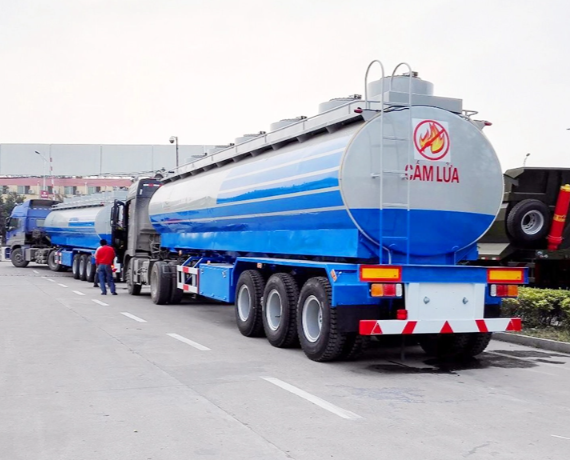
Fuel tanker trailers are among the most common, designed to transport gasoline, diesel, and other petroleum products. They typically range from 42 to 53 feet in length and have capacities between 7,000 and 9,000 gallons. These trailers are constructed with specific materials and safety features to handle flammable liquids, including multiple compartments to carry different types of fuel simultaneously.
Chemical Tanker Trailers
Chemical tanker trailers are specialized for transporting hazardous and non-hazardous chemicals. Due to the varying densities and weights of chemicals, these trailers are often shorter, ranging from 40 to 42 feet, with capacities between 5,500 and 7,000 gallons. They are equipped with linings and coatings resistant to chemical corrosion and may have insulated tanks to maintain temperature-sensitive liquids.
Food-Grade Tanker Trailers
Food-grade tanker trailers transport consumable liquids like milk, juices, and edible oils. These trailers must adhere to strict sanitary standards, and their sizes typically range from 42 to 48 feet in length with capacities around 6,000 to 7,000 gallons. The interiors are made from stainless steel to prevent contamination and facilitate easy cleaning.
Factors Influencing Tanker Trailer Size
Several factors influence the size of tanker trailers. Understanding these elements can help businesses select the appropriate equipment for their transportation needs.
Regulatory Compliance
Regulations play a significant role in determining tanker trailer sizes. Government agencies set maximum dimensions and weight limits to ensure road safety. For instance, the Federal Motor Carrier Safety Administration (FMCSA) in the United States stipulates that the maximum gross vehicle weight cannot exceed 80,000 pounds, influencing the size and capacity of tanker trailers.
Cargo Characteristics
The physical properties of the cargo, such as density and viscosity, affect trailer size. Heavier liquids may require smaller tanks to avoid exceeding weight limits, while lighter liquids can be transported in larger volumes. Additionally, hazardous materials might necessitate specialized equipment, influencing the overall design and size of the tanker trailer.
Operational Efficiency
Companies aim for optimal operational efficiency by balancing capacity with fuel consumption and route restrictions. Larger tanker trailers can transport more product per trip but may face limitations in navigating certain roads or terrains. Selecting the right size involves considering delivery schedules, destination accessibility, and overall cost-effectiveness.
Design Innovations Impacting Size
Advancements in engineering have led to design innovations that optimize tanker trailer sizes. Lightweight materials such as aluminum alloys are used to reduce the trailer's own weight, allowing for increased cargo capacity without exceeding legal weight limits. Additionally, aerodynamic designs help in reducing fuel consumption, making longer and larger trailers more viable for companies focused on efficiency.
Multi-Compartment Trailers
Multi-compartment tanker trailers are designed with internal divisions to carry different products simultaneously. This design can affect the overall size and length of the trailer. While providing versatility, these trailers might be slightly longer to accommodate the compartments and the associated safety features required for transporting varied substances.
Global Variations in Tanker Trailer Sizes
Tanker trailer sizes can vary significantly around the world due to differing regulations and infrastructure. For example, in Europe, the maximum allowable length and weight can differ from those in the United States, leading to variations in tanker sizes and capacities. Companies operating internationally must be aware of these differences to ensure compliance and optimize their logistics strategies.
Asia and Africa Market Specifications
In regions like Asia and Africa, road conditions and infrastructure development levels influence tanker trailer sizes. Trailers may be shorter and more robust to handle rough terrains. The capacity might also be adjusted to account for weight restrictions on bridges and roads. Manufacturers often customize tanker trailers for these markets to meet the specific logistical challenges.
Case Study: GDSS Trailer's Approach to Tanker Trailer Sizes
As a professional designer and builder in the trailer industry since 2009, GDSS Trailer exemplifies how innovation and expertise contribute to optimal tanker trailer sizes. With a dedicated team of engineers and tech workers, the company focuses on creating tanker trailers that meet diverse transportation needs while adhering to regulatory standards.
Customization and Flexibility
GDSS Trailer offers customized solutions, understanding that one size does not fit all in the tanker trailer industry. By collaborating with clients, they design trailers that account for the specific liquids to be transported, route requirements, and operational goals. This client-focused approach ensures that each tank trailer is optimized for performance and compliance.
Safety Considerations Related to Size
The size of a tanker trailer also has significant implications for safety. Larger trailers require more stopping distance and can be more challenging to maneuver. Companies must train drivers extensively to handle these vehicles effectively. Additionally, the trailer's size affects stability, especially when transporting liquids that create dynamic movement within the tank.
Impact of Liquid Surge
Liquid surge occurs when the movement of the liquid inside the tank affects the motion of the trailer, especially during braking or turning. This phenomenon is more pronounced in larger tanks with greater volumes of liquid. Designing tanker trailers with baffles or compartmentalization helps mitigate liquid surge, but these features can influence the overall size and capacity of the trailer.
Maintenance Implications of Trailer Size
Larger tanker trailers may require more extensive maintenance regimes to ensure they remain safe and operational. The increased surface area and the complexity of systems like pumping mechanisms or heating elements (used for certain cargo types) necessitate regular inspections and upkeep. Companies must factor in these maintenance demands when selecting the size of their tanker trailers.
Cost-Benefit Analysis
While larger trailers can offer economies of scale by transporting more product per trip, they also come with higher initial costs and potential increases in maintenance expenses. Companies need to perform a cost-benefit analysis to determine the most economically viable option, balancing the advantages of larger capacity against the operational costs.
Environmental Considerations
Environmental concerns are increasingly influencing the design and size of tanker trailers. Regulations aimed at reducing emissions have led to innovations that affect trailer dimensions. Lightweight materials and aerodynamic designs help improve fuel efficiency, which can allow for adjustments in size without compromising capacity.
Emission Standards Impact
Strict emission standards require vehicles, including tanker trailers, to minimize their environmental footprint. This has encouraged manufacturers to design trailers that are not only efficient in size but also contribute to overall reductions in emissions. Implementing technologies such as low-resistance tires and advanced braking systems can influence the size and weight of the trailer.
Future Trends in Tanker Trailer Sizes
The tanker trailer industry is evolving, with trends pointing towards smarter, more efficient designs. Automation and advanced materials are likely to impact future tanker trailer sizes.
Integration of Technology
Technological advancements such as telematics and IoT devices enable real-time monitoring of cargo and trailer conditions. While these systems add components to the trailer, manufacturers strive to integrate them without significantly affecting the size. The goal is to enhance functionality while maintaining or even reducing the overall dimensions of the tanker trailer.
Material Innovations
The development of composite materials offers the potential to reduce the weight of tanker trailers substantially. Lighter trailers can either allow for increased cargo capacity without changing size or enable downsizing while maintaining capacity. These materials also offer enhanced durability and resistance to corrosion, impacting maintenance and longevity.
Conclusion
Determining the appropriate size of a tanker trailer is a multifaceted decision that involves understanding regulatory constraints, cargo characteristics, operational efficiency, and future industry trends. As transportation demands evolve, so too will the designs and sizes of tanker trailers. Companies must stay informed about these changes to make strategic decisions in their logistics planning. Partnering with experienced manufacturers like GDSS Trailer can provide access to customized tank trailers that meet specific needs while adhering to the latest standards and innovations.


